Sequence-Based Analysis of Natural and Mutant Toxoplasma Gondii Strains, and Their Interactions with Host Cells
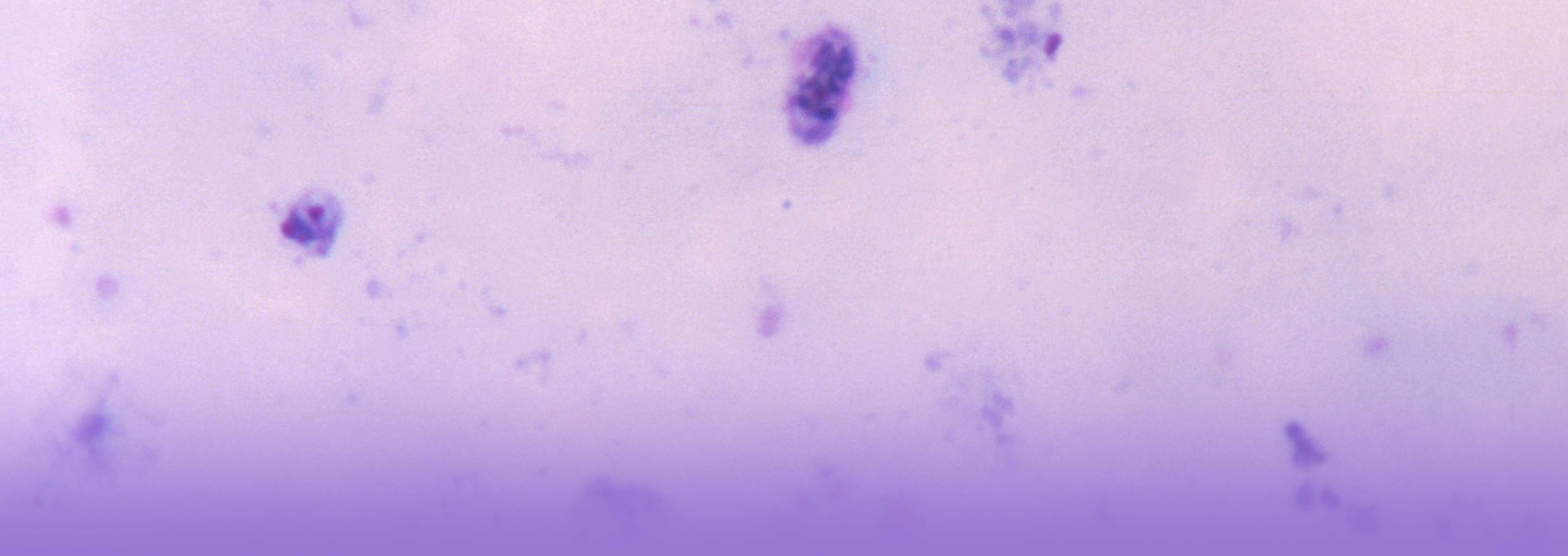
There is limited understanding at the molecular level of many aspects of T. gondii biology, such as its pathogenicity, transmission, tropism and manipulation of host cell functions. We are addressing this gap by sequence-based analysis of both natural and mutant T. gondii strains that display characteristic phenotypes. We are currently analyzing the whole genome sequences of wild-type T. gondii strains that represent new pockets of diversity, or that were isolated from geographic regions where little is known about the composition or structure of T. gondii populations. These genome sequences are being compared to each other, and to related non-pathogenic species. In addition, we are analyzing the genomes and transcriptomes from a wide range of mutant parasites that exhibit characteristic phenotypes related to infectivity, virulence and immunological evasion. Our overarching hypothesis is that comparative genomic and transcriptomic analyses will reveal relevant associations between phenotypes of medical relevance and specific genes or gene networks (in both T. gondii cells and host cells). The knowledge generated by this project is supporting a variety of functional studies involving mechanisms of parasite infection, diagnostics and parasite surveillance, development of antiparasitic drugs and vaccines, host immunity, and control of infection. Please contact us if you have any questions.
Publications
PLoS pathogens. 2018-01-22; 14.1: e1006828.
Identification of a novel protein complex essential for effector translocation across the parasitophorous vacuole membrane of Toxoplasma gondii
Genome announcements. 2017-11-16; 5.46:
Draft Genome Sequence and Annotation of the Apicomplexan Parasite
Scientific reports. 2017-09-13; 7.1: 11496.
Toxoplasma Modulates Signature Pathways of Human Epilepsy, Neurodegeneration & Cancer
NPJ vaccines. 2017-09-05; 2.24.
Protein nanovaccine confers robust immunity against Toxoplasma
eLife. 2017-08-18; 6.
Small molecule inhibition of apicomplexan FtsH1 disrupts plastid biogenesis in human pathogens
Scientific reports. 2016-08-10; 6.31291.
Transcriptomic evidence for modulation of host inflammatory responses during febrile Plasmodium falciparum malaria
Scientific reports. 2016-07-14; 6.29179.
New paradigms for understanding and step changes in treating active and chronic, persistent apicomplexan infections
Funding
Research reported in this publication was supported by the National Institute Of Allergy And Infectious Diseases of the National Institutes of Health under Award Number U19AI110819. The content is solely the responsibility of the authors and does not necessarily represent the official views of the National Institutes of Health.