Tracking plastic pollution from source to sea: Tongatapu to Vava’U
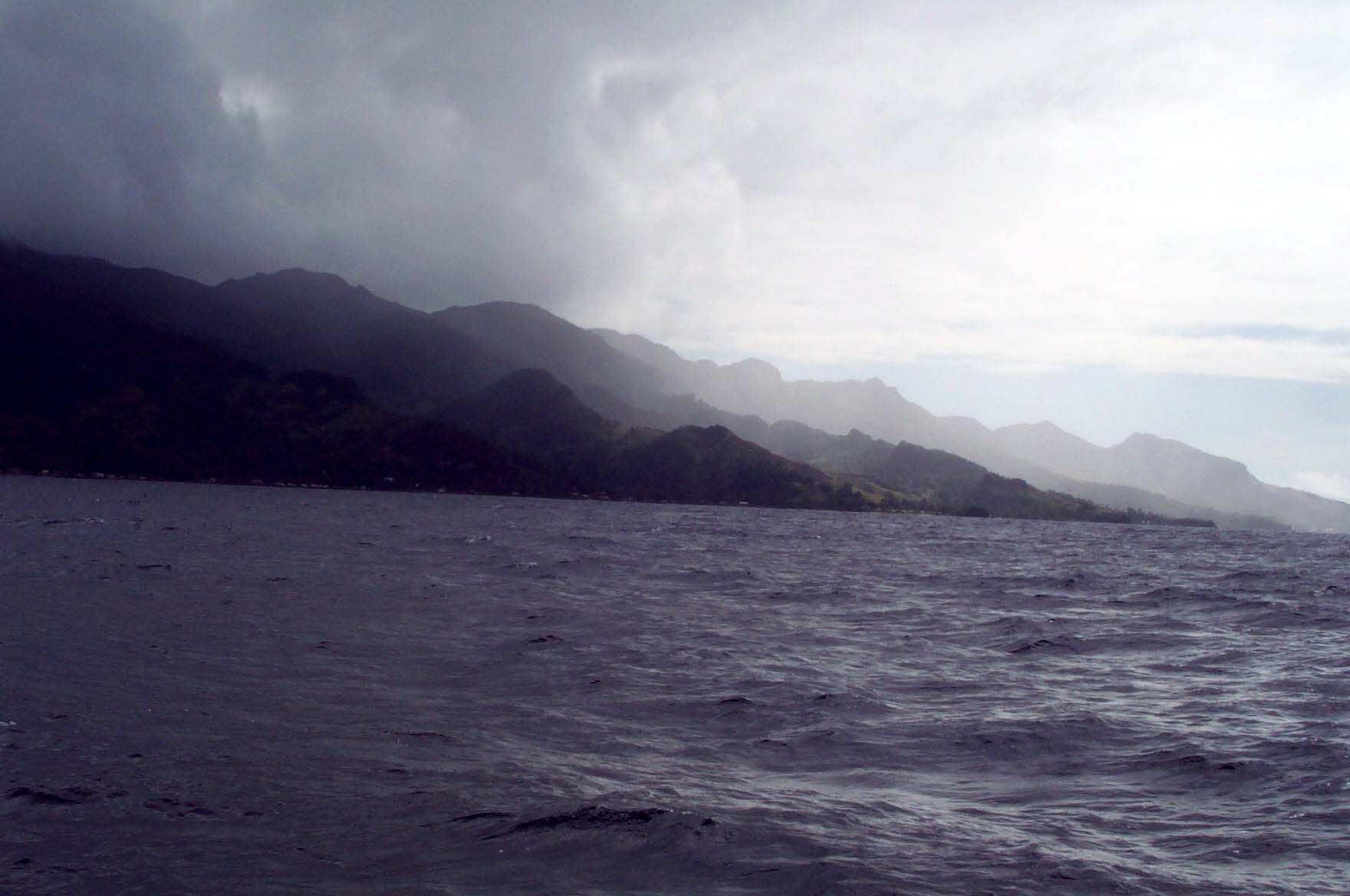
This spring, I’ll be heading back to sea as part of the Global All‑Women Sailing Expedition, a ten‑leg research initiative sponsored and led by eXXpedition, focused on tracking plastic pollution from source to sea. The expedition spans the South Pacific and beyond, combining sailing, land‑based research, and community engagement to better understand where plastics originate, how they move through the environment, and how they affect both ecosystems and people.
I’ll be joining Leg 3, which focuses on research around the islands of Tonga. While the Global All‑Women Sailing Expedition brings together scientists, sailors, communicators, and local partners across all legs, I will be the only scientist with fieldwork experience relating to plastic sampling sailing on this segment, and will be responsible for designing experiments and carrying out the sampling during our time in Tonga.
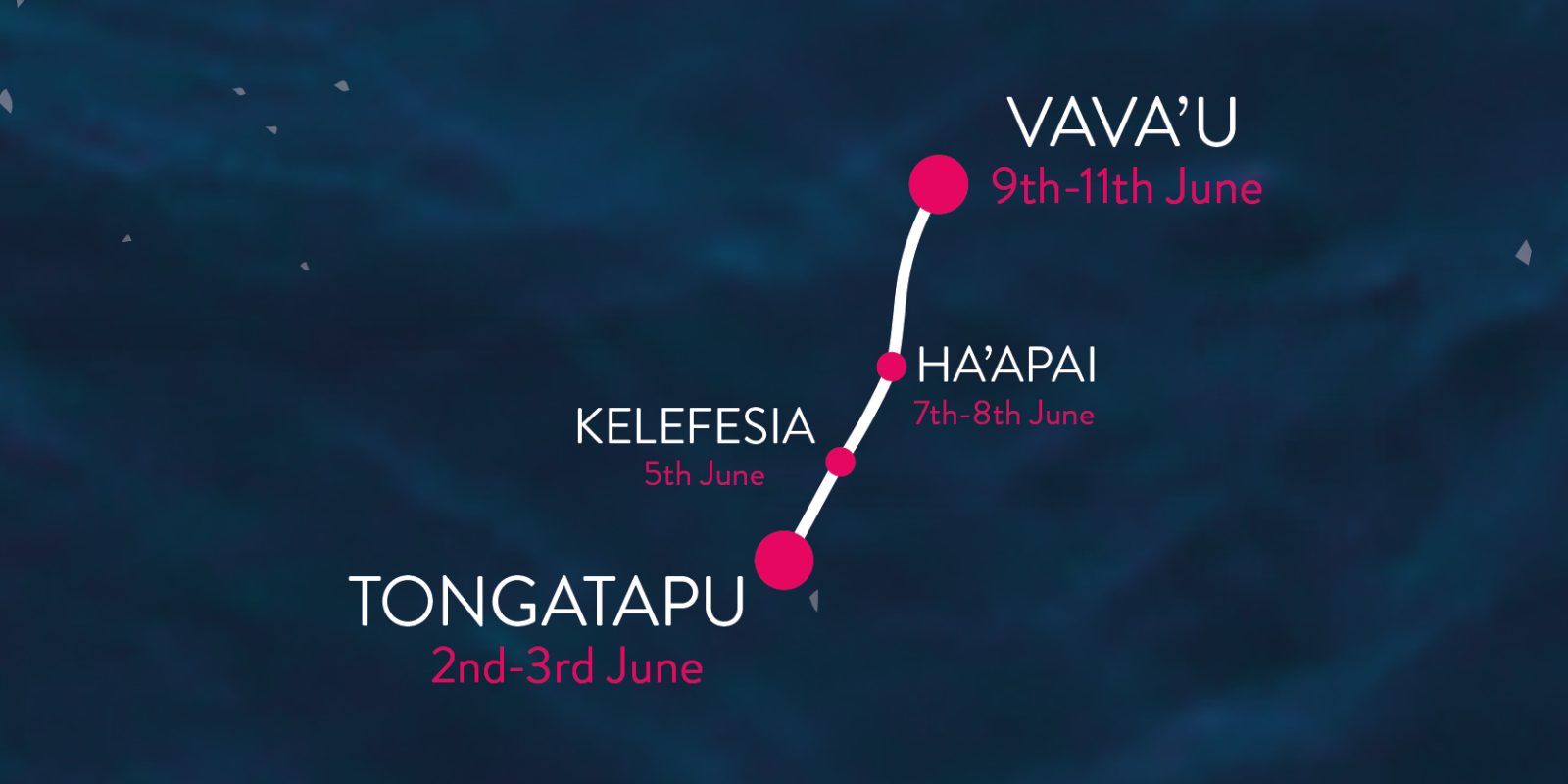
Leg 3 takes place June 2–11 and moves south to north through Tonga, beginning in Nukuʻalofa (Tongatapu), continuing through the Haʻapai island group, and concluding in Vavaʻu. Along the way, weather permitting, we may also visit Kelefesia, a remote and uninhabited island, providing a unique opportunity to sample in a relatively undisturbed environment. Over the course of the leg, we’ll combine short sailing passages with land-based research, sampling in coastal waters, on shore, and in local communities to better understand how plastic pollution moves through island systems—from use and disposal on land to accumulation at sea.
The scientific framework for the expedition is led by the University of Georgia’s Circularity Informatics Lab (UGA), which is coordinating data collection and analysis across all legs. On my leg, I’ll be leading sampling taken at sea, on land, and from the air, while implementing experimental approaches developed in coordination with the UGA team. This includes filtering seawater to collect microplastics down to sub‑micron sizes, conducting air sampling for microplastic counts, and supporting polymer identification and source‑tracking efforts.
We’ll also be working closely with local partners to examine waste‑management infrastructure and document how plastics are commonly used in stores, restaurants, and daily life. That context is critical, not just for understanding where plastic pollution comes from, but for developing mitigation strategies that are practical, community‑informed, and transferable to other coastal regions.
This work builds directly on my previous expeditions, including a deep‑sea voyage aboard the human‑occupied submersible HOV Alvin, where I collected plastic samples from some of the deepest parts of the ocean to study the microbes living on them and their potential role in plastic degradation. Across these projects, my focus has remained the same: understanding how microplastics move through marine systems, how microbes interact with them, and what that means for environmental and human health.
This expedition is an opportunity to connect globally coordinated science with on‑the‑ground realities, and I’m excited to help ensure the data we collect in Tonga can support meaningful action, both in the South Pacific and beyond.