Tracking plastic pollution from source to sea: The final legs of our Togan expedition
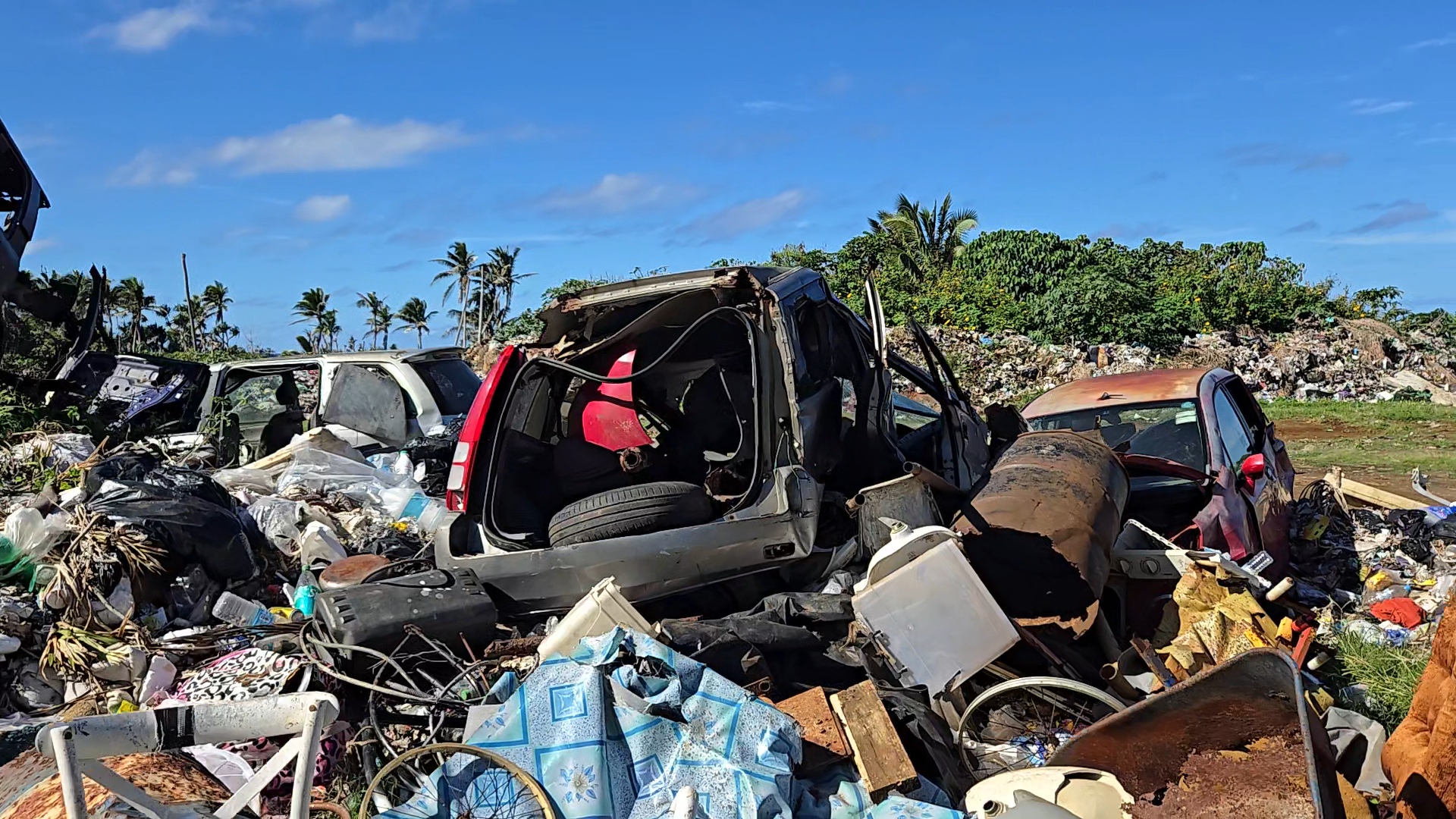
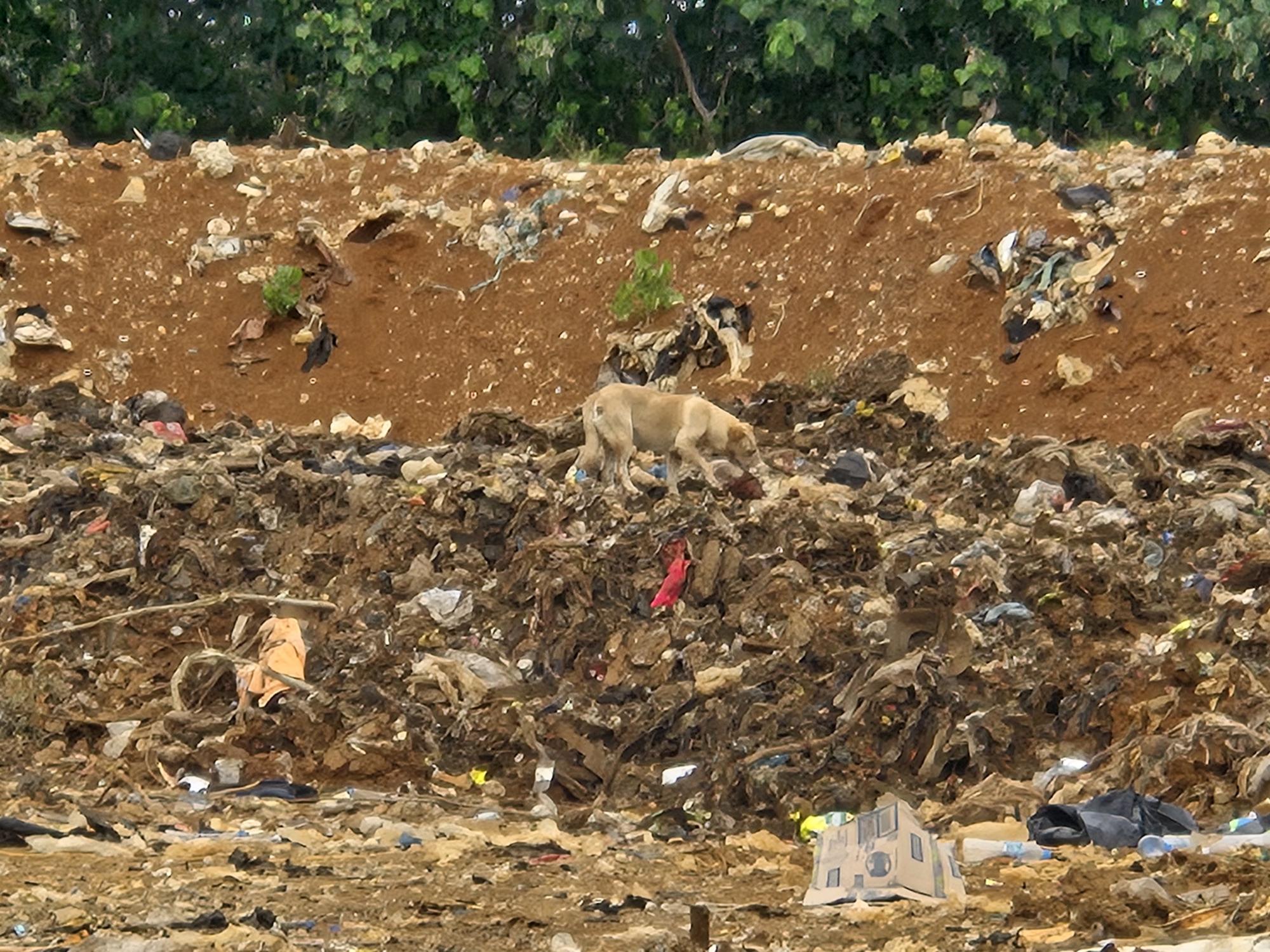
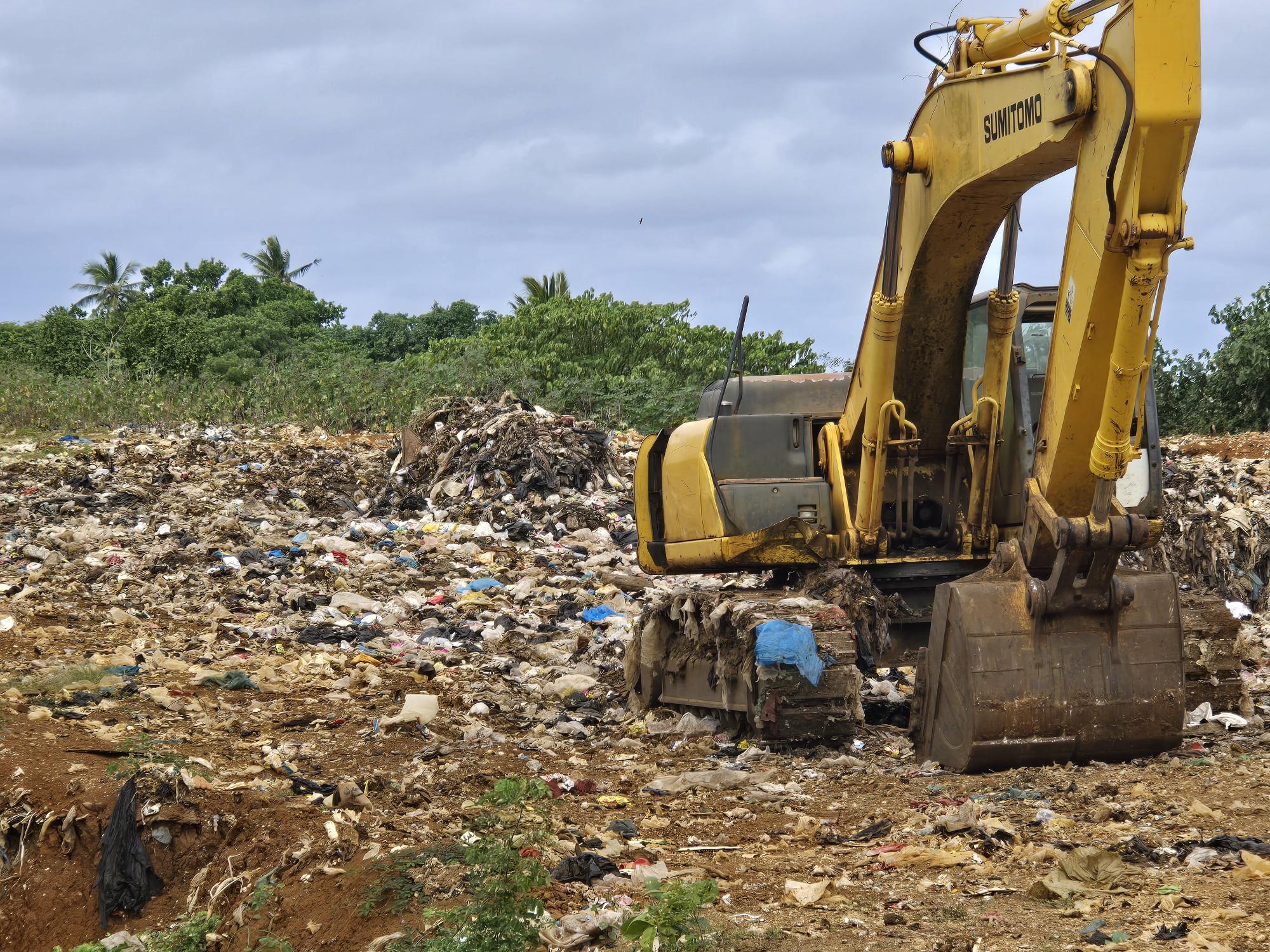
The eXXpedition crew set sail for Pangai, on the island of Lifuka. We visited a landfill on the island and learned that it had never been properly lined. Without that barrier, waste has been leaching straight into the island’s groundwater for years, contaminating the communities only source of freshwater. As a result, the island is forced to depend on rainwater collection and imported bottled water that perpetuates the crisis they’re facing.
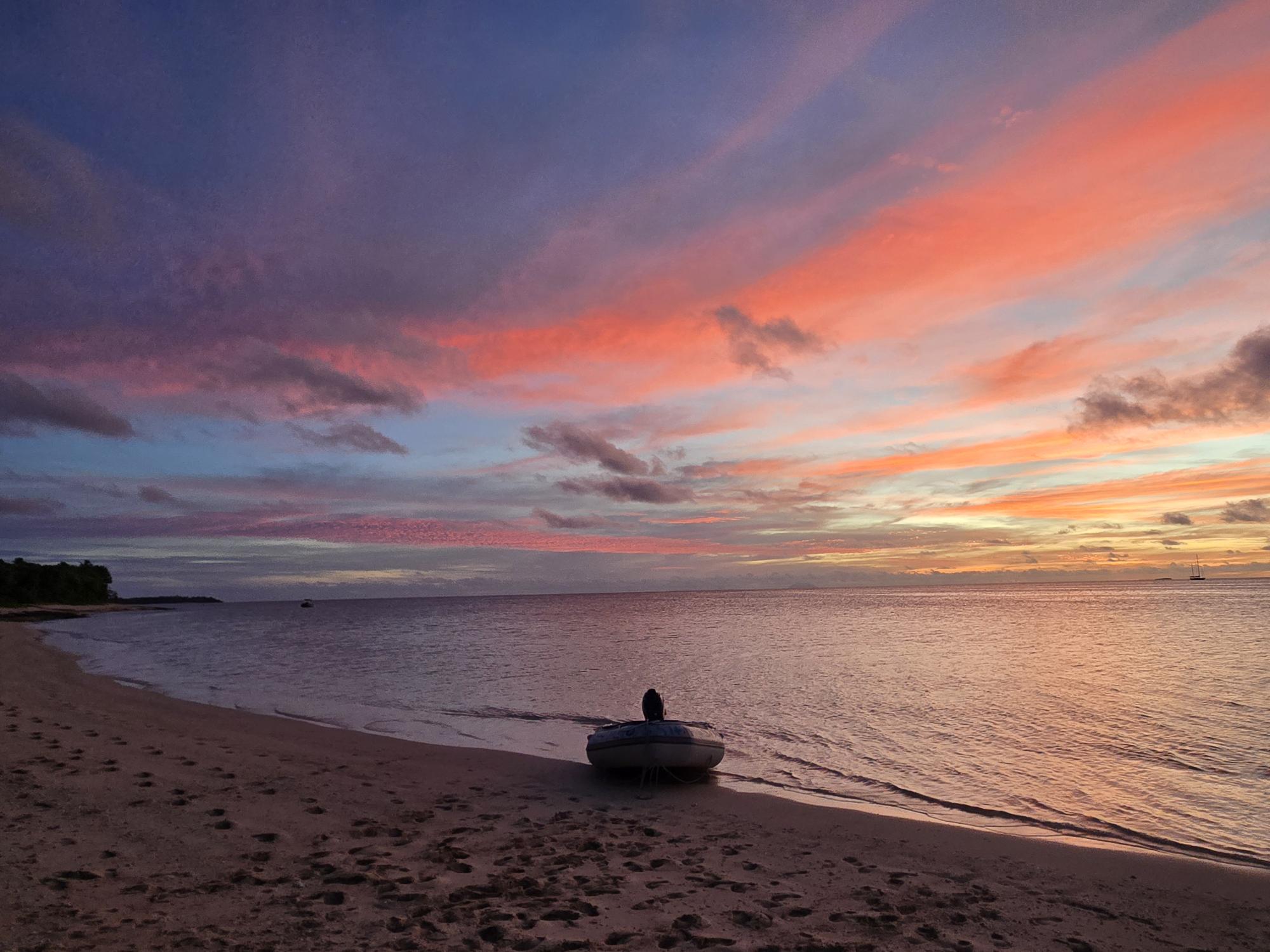
From Pangai we sailed on to Foa, where we ran litter transects along the beaches, cataloguing what washed ashore, and running our collected samples through FTIR analysis to identify what kinds of plastic we were dealing with. It's slow, careful work, but it's the kind that turns a beach full of debris into real data.
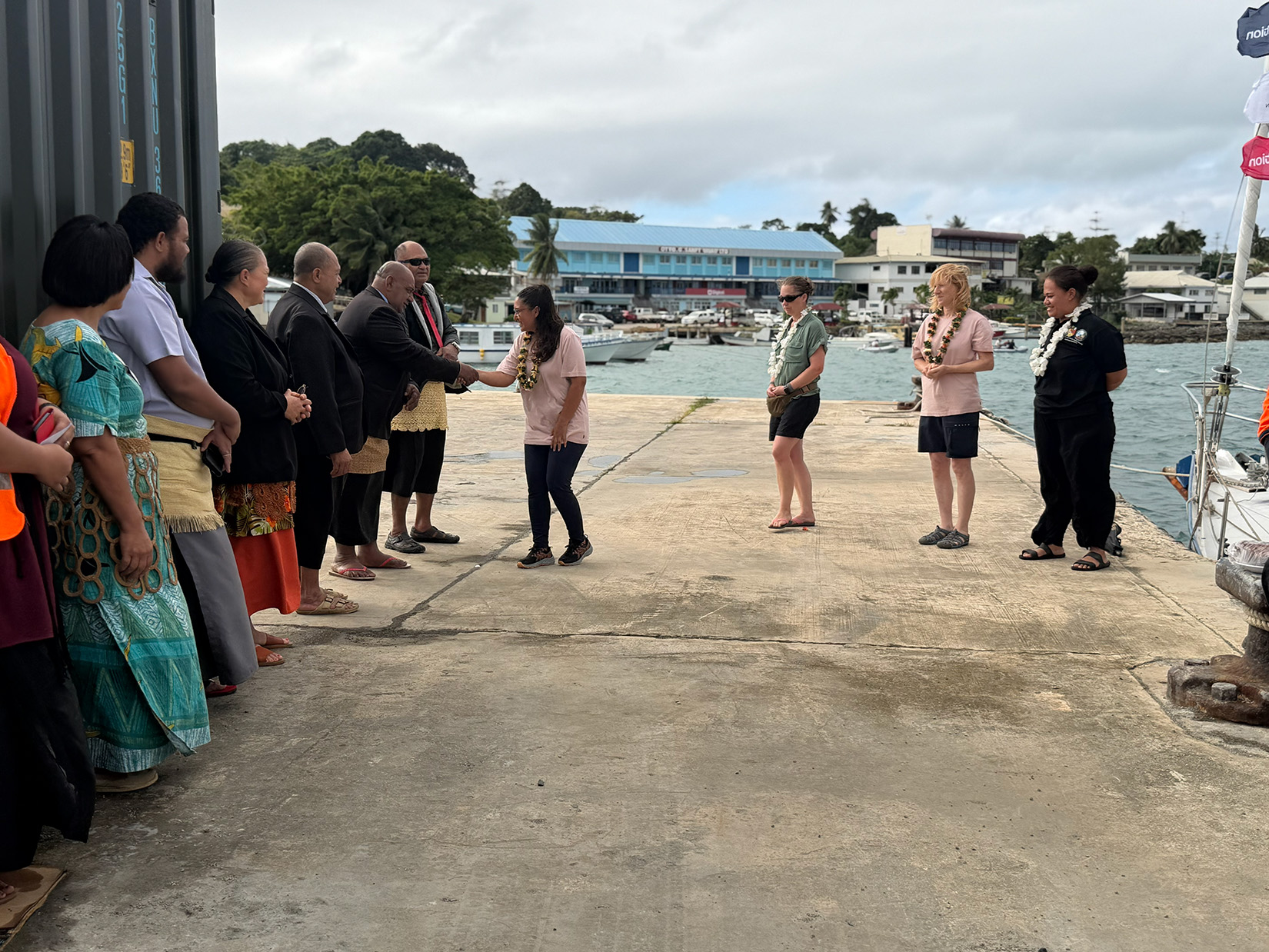
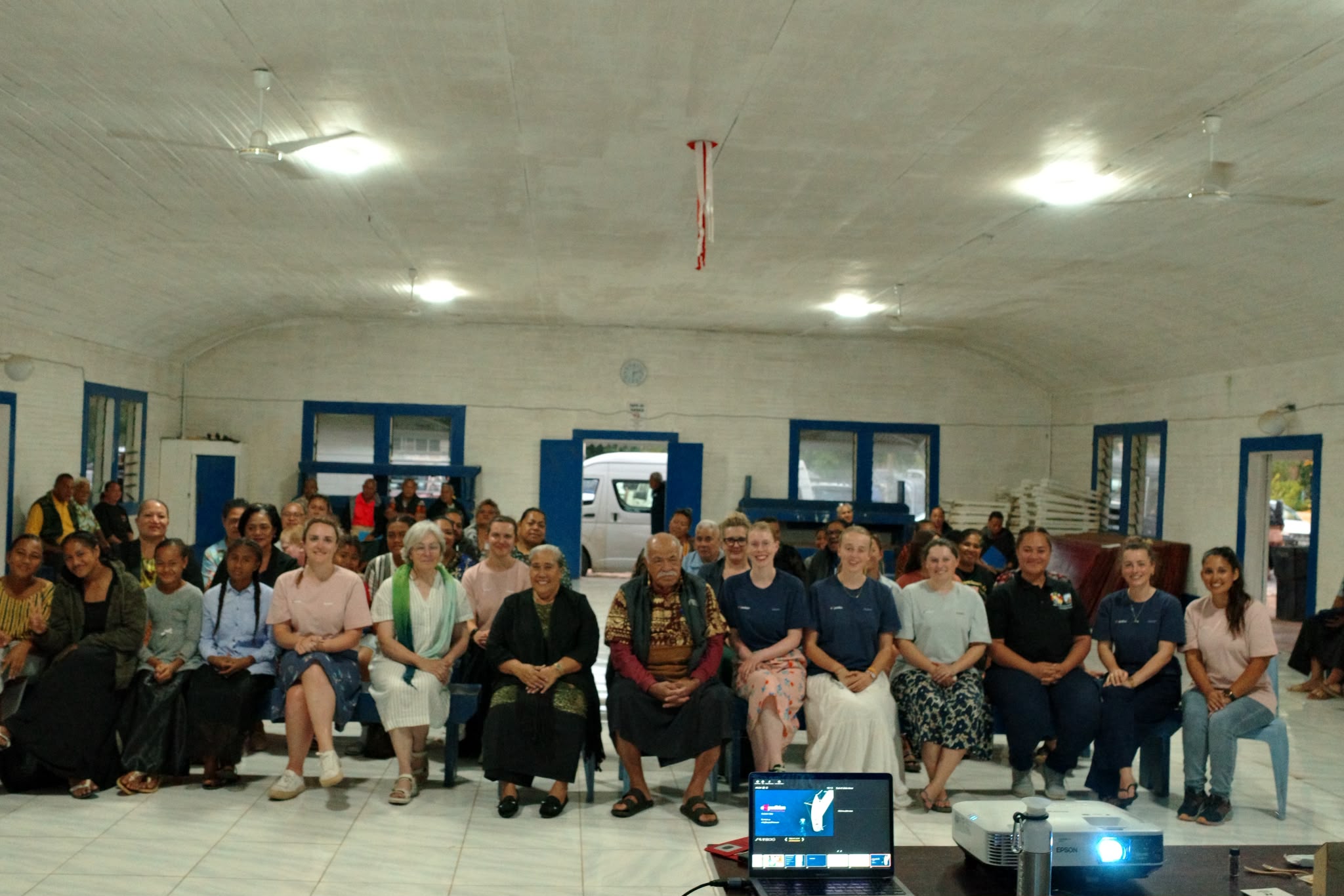
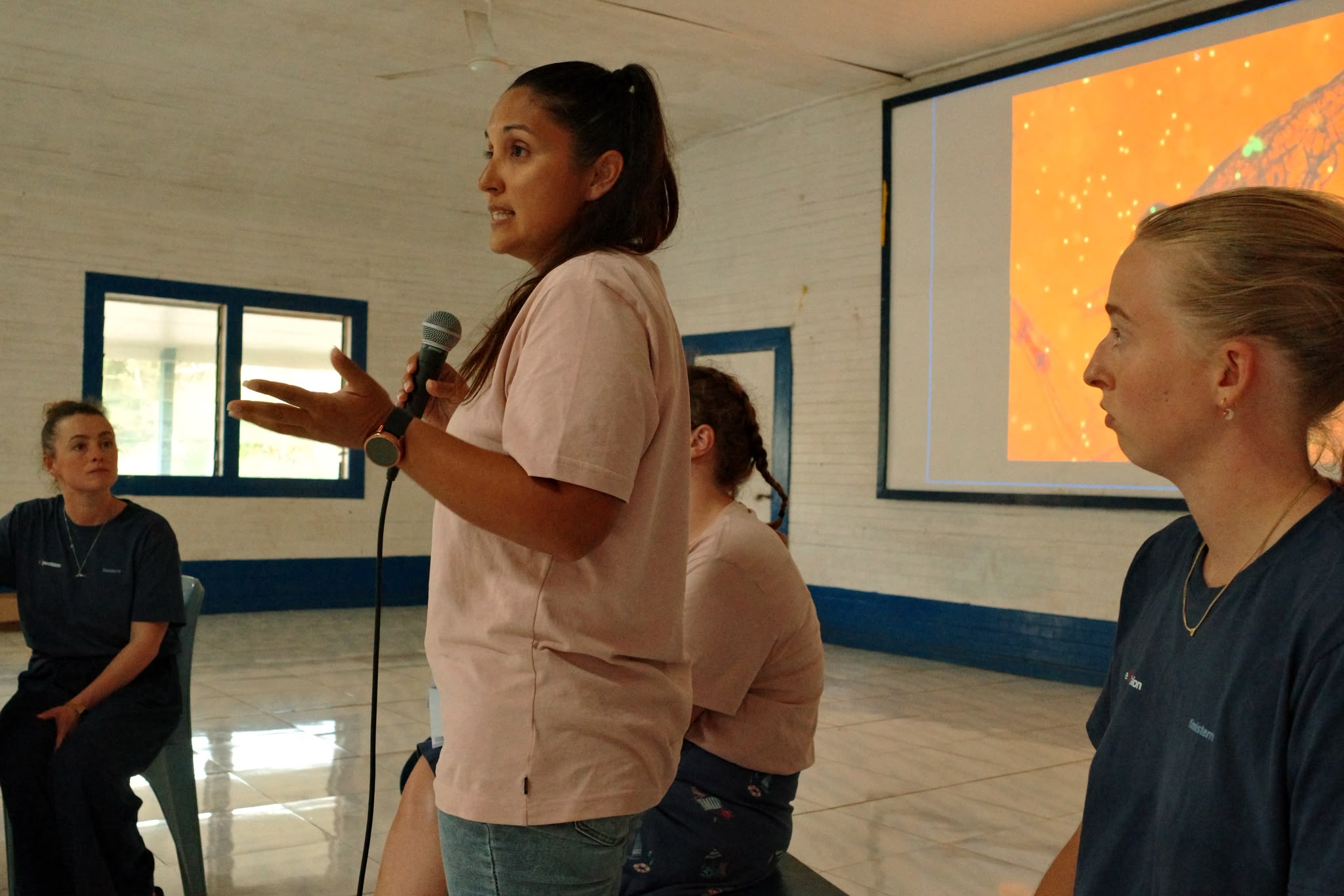
Our next stop was Vava’u. We ran our final manta trawls underway, skimming the surface for microplastics. Upon our arrival we were greeted at the dock with a warm welcome from local government ministers and a priest, who blessed our arrival right there on the pier. That evening, we gave a presentation at the community center about eXXpedition's work and the broader impacts of plastic pollution. I spoke about bioaccumulation and how plastics and the toxins they carry move up the food web, eventually landing on our own plates. Afterward, the community's high priest offered another blessing.
While in Vava’u, we visited the final landfill of our expedition. This one was already over capacity, with no clear path forward except costly infrastructure the community can't easily afford to open a second landfill. We also conducted a beach cleanup with locals, and in the conversations that followed, a different kind of problem came into focus. Well-meaning countries had sent aid that, in practice, made things harder: a fire truck for a place with almost no fire hydrants and no training to maintain it; recycling bins for an island with no recycling facility to send them to. Generosity, misaligned with reality, becomes just another kind of waste.
Throughout this journey one of the things that struck me most, was the people. We made real, lasting connections along our voyage that we plan to stay in touch with as our research comes together. Tongans were some of the warmest, most welcoming people I've met, fully aware of the situation they're facing and genuinely eager for partnership and help.
Ultimately, I came home with more than data, I came home with a much more complicated understanding of what "solving" plastic pollution means. A fix that works in the United States doesn't necessarily translate to a small island nation in the South Pacific. For Tonga the infrastructure, the economics, the logistics of trade and aid are all extremely different. The plastic crisis isn't just one problem with one solution; it's a thousand local problems all wearing the same disguise.