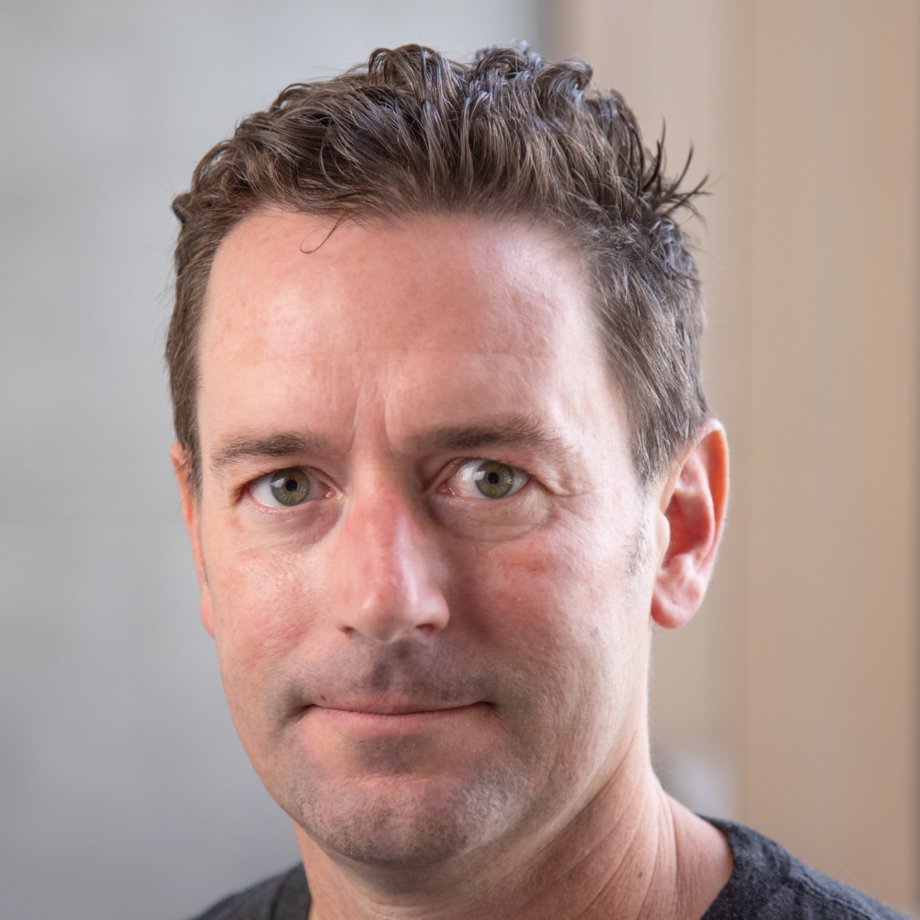
Chris Dupont is a professor in the Genomic Medicine, Environment & Sustainability, and Synthetic Biology groups at JCVI. His primary research focus is microbial physiology and the environmental and evolutionary influence on physiological variation. This involves work with model organisms in laboratory systems, domestication of wild microbes for model studies, and sequencing based profiling of microbial communities in a variety of environments, including organismal microbiomes. This includes metagenomic and metatranscriptomic studies of the microbiomes found in the human gut, respiratory pathways, skin, and oral surfaces.

Dr. Dupont is also working on applying synthetic biology and machine learning techniques to solve unique problems in big datasets associated with the human microbiome and the environment.

Dr. Dupont began his career at JCVI as a postdoctoral fellow. He received his PhD in oceanography from the Scripps Institution of Oceanography, as well as a bachelor's in natural resources and a master's of biological and environmental engineering from Cornell University.

Research Priorities

Systems biology of an emerging model photoautotrophic diatom
  • Characterization and regulation of CO2 concentrating mechanisms
  • Development of molecular tools for genome engineering
Genomics and physiology of marine microbes
  • Bacteria and Archaea involved in nitrification
  • Genomics of uncultivated heterotrophs
  • Assembly-centric studies of oxygen minimum zones
Organism-organism and organism-environment interactions
  • Systems biology of plant-cyanobacterial symbioses
  • Gene coexpression network analyses of both simple and complex communities
  • Coevolution of geochemistry and biological metal utilization
World Oral Health Day 2020
Innovative Research Programs - Microplastics
Global Ocean Sampling: Microplastics
02-Oct-2024
Press Release

J. Craig Venter Institute awarded 5-year, $5M grant to lead Center for Innovative Recycling and Circular Economy (CIRCLE)

CIRCLE is one of the six new NSF Global Centers focused on advancing bioeconomy research to solve global challenges

18-Apr-2024
Press Release

Groundbreaking study reveals oral microbiome’s role in immune response and COVID-19 severity

Newly developed AI model shows that saliva is a better predictor of COVID-19 severity than existing blood tests

21-Mar-2024
Press Release

Scientists develop method to efficiently construct single-copy human artificial chromosomes (HACs)

This new tool will allow scientists to work in mammalian systems in ways only previously available in bacteria and yeast

HACs have wide potential research applications to synthetic biologists and may eventually aid in delivering DNA in clinical applications

22-Feb-2024
Collaborator Release

New LongCOVID research launched by PolyBio’s global consortium of scientists

Funding will deepen research on the persistence of the SARS-CoV-2 virus in LongCOVID patients and launch new clinical trials

24-Mar-2023
Collaborator Release

What are the Drivers of Chronic Infectious Disease?

A $1 million grant from the Steven & Alexandra Cohen Foundation will launch a UC San Diego-led national effort to more deeply study tissue samples from patients with conditions ranging from long COVID-19 and relapsed Lyme disease to chronic fatigue syndrome

The Tissue Analysis Pipeline will be directed by scientists at UC San Diego and the J. Craig Venter Institute

08-Sep-2022
Reuters

Top scientists join forces to study leading theory behind long COVID

Several JCVI scientists will be contributing to the newly launched Long Covid Research Initiative — a collaboration of researchers, clinicians, and patients working to rapidly study and treat long Covid.

26-May-2020
Press Release

Maintaining a Healthy Upper Respiratory Tract Microbiome May Help Prevent Secondary Infections in Influenza A Patients

An influenza-impacted upper respiratory tract microbiome may invite opportunistic bacterial pathogens

24-May-2018
Collaborator Release

Researchers identify bacteria and viruses ejected from the ocean

Certain types of bacteria and viruses are readily ejected into the atmosphere when waves break while others less likely to be transported into the air