Related
Bio
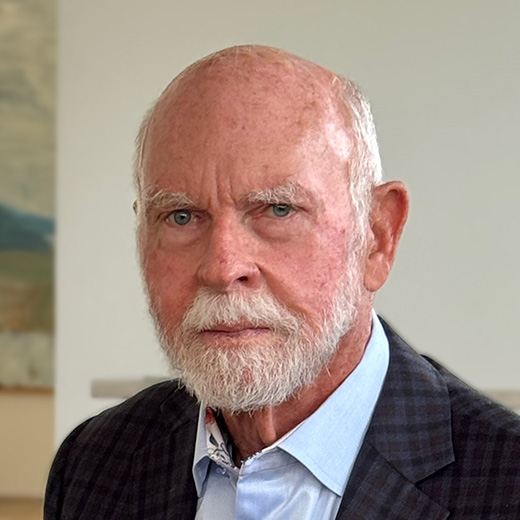
J. Craig Venter, PhD, founder, CEO and chair of the J. Craig Venter Institute, is a biologist renowned for his contributions in genomics including sequencing the first draft human genome, the first complete diploid human genome, and construction of the first synthetic bacterial cell.
He and his teams’ current research programs include continued analysis of the human genome with a focus on the intersection of the genome and all physical characteristics and how this relates to disease and health; the human microbiome; synthetic biology advances; infectious disease; and discovering and understanding genetic diversity in the world’s oceans.
Dr. Venter pioneered the notion of presymptomatic testing coupled with deep genomic sequencing to assess long term health of individuals. This was the basis for the formation of Human Longevity, Inc. He is currently embarking on a quest to utilize these same concepts but focused on a great area of unmet need—women’s health, to build the first of its kind, for-profit, transformative women’s health center. The center will encompass standard of care testing along with state of the art genomic and imaging powered by AI to deliver the best care to all women.
Dr. Venter began his formal education after a tour of duty as a Navy Corpsman in Vietnam from 1967 to 1968. After earning both a Bachelor of Science in biochemistry and a PhD in physiology and pharmacology from the University of California San Diego, he was appointed professor at the State University of New York at Buffalo and the Roswell Park Cancer Institute. In 1984, he moved to the National Institutes of Health campus where he developed expressed sequence tags or ESTs, a revolutionary new strategy for rapid gene discovery.
In 1992, Dr. Venter founded The Institute for Genomic Research (TIGR, now part of JCVI), a not-for-profit research institute, where in 1995 he and his team decoded the genome of the first free-living organism, the bacterium Haemophilus influenzae, using the new whole genome shotgun technique.
In 1998, Dr. Venter founded Celera Genomics to sequence the human genome using new tools and techniques he and his team developed. This research culminated with the February 2001 publication of the human genome in the journal, Science. He and his team at Celera also sequenced the fruit fly, mouse, and rat genomes.
Dr. Venter is one of the most frequently cited scientists, and the author of more than 280 research articles. He is also the recipient of numerous honorary degrees, public honors, and scientific awards, including the 2008 United States National Medal of Science, the 2002 Gairdner Foundation International Award, the 2001 Paul Ehrlich and Ludwig Darmstaedter Prize, and the King Faisal International Award for Science. Dr. Venter is a member of numerous prestigious scientific organizations including the National Academy of Sciences, the National Academy of Medicine, the American Academy of Arts and Sciences, and the American Society for Microbiology.
Dr. Venter is a serial entrepreneur who has co-founded several companies including Synthetic Genomics, Inc., (now Viridos), SGI DNA, (now Telesis Bio) and Human Longevity, Inc. (HLI).
He is also the author of “The Voyage of Sorcerer II: The Expedition That Unlocked the Secrets of the Ocean’s Microbiome” (Harvard University Press, 2023), “Life at the Speed of Light: From the Double Helix to the Dawn of Digital Life” (Viking, 2013) and “A Life Decoded: My Genome: My Life” (Viking, 2007).
Related Information
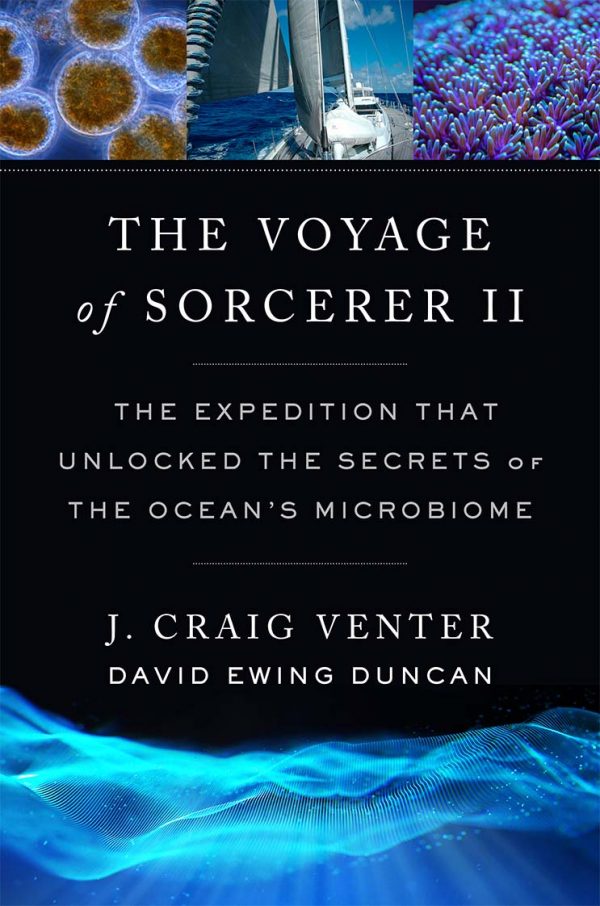
The Voyage of Sorcerer II
Read the captivating story of exploration and discovery that chronicles the Global Ocean Sampling Expedition.
Publications
Publications
Nature. 2025-11-01; 647.8089: 311.
Hamilton Smith obituary: molecular biologist who co-discovered precise molecular scissors for cutting DNA
The Journal of infectious diseases. 2025-09-30;
Blood cultures contain populations of genetically diverse Candida albicans strains that may differ in echinocandin tolerance and fitness
Science (New York, N.Y.). 2024-12-20; 386.6728: 1351-1353.
Confronting risks of mirror life
Clinical and translational gastroenterology. 2024-12-01; 15.12: e00796.
Correction to: Genetic Risk, Dysbiosis, and Treatment Stratification Using Host Genome and Gut Microbiome in Inflammatory Bowel Disease
Physiological reviews. 2024-07-01; 104.3: 1409-1459.
Physiological basis for xenotransplantation from genetically modified pigs to humans
Cell. 2022-07-21; 185.15: 2708-2724.
Synthetic chromosomes, genomes, viruses, and cells
Nature biotechnology. 2021-08-01; 39.8: 1017.
Publisher Correction: Voices of biotech leaders
Nature biotechnology. 2021-06-01; 39.6: 654-660.
Voices of biotech leaders
Cell reports. 2021-01-26; 34.4: 108670.
Inflammation-driven deaminase deregulation fuels human pre-leukemia stem cell evolution
Proceedings of the National Academy of Sciences of the United States of America. 2020-02-11; 117.6: 3053-3062.
Precision medicine integrating whole-genome sequencing, comprehensive metabolomics, and advanced imaging
Genome medicine. 2020-01-10; 12.1: 7.
An unsupervised learning approach to identify novel signatures of health and disease from multimodal data
Nature communications. 2019-10-03; 10.1: 4505.
Interplay between the human gut microbiome and host metabolism
Cell metabolism. 2019-09-03; 30.3: 607.
Gut Microbiome-Based Metagenomic Signature for Non-invasive Detection of Advanced Fibrosis in Human Nonalcoholic Fatty Liver Disease
Proceedings of the National Academy of Sciences of the United States of America. 2019-04-30; 116.18: 8960-8965.
Functional characterization of 3D protein structures informed by human genetic diversity
Cell metabolism. 2019-02-05; 29.2: 488-500.e2.
Profound Perturbation of the Metabolome in Obesity Is Associated with Health Risk
ACS synthetic biology. 2019-01-15;
Direct transfer of a Mycoplasma mycoides genome to yeast is enhanced by removal of the mycoides glycerol uptake factor gene glpF
American journal of human genetics. 2019-01-03; 104.1: 186.
Response to Whiffin et al
European journal of human genetics : EJHG. 2019-01-01; 27.1: 150-159.
Novel insight into the genetic basis of high-altitude pulmonary hypertension in Kyrgyz highlanders
ACS synthetic biology. 2018-06-15; 7.6: 1538-1552.
Tuning Gene Activity by Inducible and Targeted Regulation of Gene Expression in Minimal Bacterial Cells
Science (New York, N.Y.). 2018-04-20; 360.6386: 327-331.
Paternally inherited cis-regulatory structural variants are associated with autism
American journal of human genetics. 2018-04-05; 102.4: 609-619.
Identification of Misclassified ClinVar Variants via Disease Population Prevalence
Proceedings of the National Academy of Sciences of the United States of America. 2018-04-03; 115.14: 3686-3691.
Precision medicine screening using whole-genome sequencing and advanced imaging to identify disease risk in adults
Scientific reports. 2018-03-12; 8.1: 4333.
Microbial metagenome of urinary tract infection
Nature genetics. 2018-03-01; 50.3: 333-337.
The human noncoding genome defined by genetic diversity
EBioMedicine. 2018-02-15; 28.316-323.
Acetaminophen (Paracetamol) Use Modifies the Sulfation of Sex Hormones
Clinical and translational gastroenterology. 2018-01-18; 9.1: e132.
Genetic risk, dysbiosis, and treatment stratification using host genome and gut microbiome in inflammatory bowel disease
Nature reviews. Genetics. 2018-01-01; 19.1: 51-62.
Human gene essentiality
Neuron. 2017-11-15; 96.4: 730-735.
Building Bridges through Science
Proceedings of the National Academy of Sciences of the United States of America. 2017-09-19; 114.38: 10166-10171.
Identification of individuals by trait prediction using whole-genome sequencing data
Proceedings of the National Academy of Sciences of the United States of America. 2017-07-25; 114.30: 8059-8064.
Fast and accurate HLA typing from short-read next-generation sequence data with xHLA
Cell metabolism. 2017-05-02; 25.5: 1054-1062.e5.
Gut Microbiome-Based Metagenomic Signature for Non-invasive Detection of Advanced Fibrosis in Human Nonalcoholic Fatty Liver Disease
BMC genomics. 2017-04-13; 18.1: 296.
Utilization of defined microbial communities enables effective evaluation of meta-genomic assemblies
Cancer prevention research (Philadelphia, Pa.). 2017-04-01; 10.4: 226-234.
The Human Microbiome and Cancer
Nature genetics. 2017-04-01; 49.4: 568-578.
Whole-genome sequencing identifies common-to-rare variants associated with human blood metabolites
PLoS pathogens. 2017-03-22; 13.3: e1006292.
The blood DNA virome in 8,000 humans
Proceedings of the National Academy of Sciences of the United States of America. 2016-10-18; 113.42: 11901-11906.
Deep sequencing of 10,000 human genomes
Scientific reports. 2016-08-25; 6.31731.
A robust ambient temperature collection and stabilization strategy: Enabling worldwide functional studies of the human microbiome
Scientific reports. 2016-08-04; 6.30714.
One step engineering of the small-subunit ribosomal RNA using CRISPR/Cas9
Cell metabolism. 2016-06-14; 23.6: 949-950.
Dynamics of an Aging Genome
Science (New York, N.Y.). 2016-03-25; 351.6280: aad6253.
Design and synthesis of a minimal bacterial genome
Proceedings of the National Academy of Sciences of the United States of America. 2015-11-10; 112.45: 14024-9.
Library preparation methodology can influence genomic and functional predictions in human microbiome research
Clinical chemistry. 2015-09-01; 61.9: 1207-8.
The Sequence of the Human Genome
Nature biotechnology. 2015-05-01; 33.5: 478-86.
CRISPR germline engineering--the community speaks
Nature communications. 2015-04-21; 6.6925.
Designer diatom episomes delivered by bacterial conjugation
Genome research. 2015-03-01; 25.3: 435-44.
Bacterial genome reduction using the progressive clustering of deletions via yeast sexual cycling
Nature. 2014-05-08; 509.7499: 168-9.
Synthetic biology: Construction of a yeast chromosome
Nature protocols. 2014-04-01; 9.4: 743-50.
Transferring whole genomes from bacteria to yeast spheroplasts using entire bacterial cells to reduce DNA shearing
Frontiers in microbiology. 2014-01-01; 5.369.
Rescue of mutant fitness defects using in vitro reconstituted designer transposons in Mycoplasma mycoides
PloS one. 2013-12-11; 8.12: e81862.
A metagenomic framework for the study of airborne microbial communities
Journal of biological engineering. 2013-12-10; 7.1: 30.
Assembly of eukaryotic algal chromosomes in yeast
Proceedings of the National Academy of Sciences of the United States of America. 2013-06-25; 110.26: E2390-9.
Candidate phylum TM6 genome recovered from a hospital sink biofilm provides genomic insights into this uncultivated phylum
Science translational medicine. 2013-05-15; 5.185: 185ra68.
Synthetic generation of influenza vaccine viruses for rapid response to pandemics
Genome research. 2013-05-01; 23.5: 826-32.
Sequencing of isolated sperm cells for direct haplotyping of a human genome
Nature methods. 2013-05-01; 10.5: 410-2.
Direct transfer of whole genomes from bacteria to yeast
Genome research. 2013-05-01; 23.5: 867-77.
Genome of the pathogen Porphyromonas gingivalis recovered from a biofilm in a hospital sink using a high-throughput single-cell genomics platform
Nucleic acids research. 2012-11-01; 40.20: 10375-83.
Sequence analysis of a complete 1.66 Mb Prochlorococcus marinus MED4 genome cloned in yeast
ACS synthetic biology. 2012-07-20; 1.7: 267-73.
Assembly of large, high G+C bacterial DNA fragments in yeast
The ISME journal. 2012-06-01; 6.6: 1186-99.
Genomic insights to SAR86, an abundant and uncultivated marine bacterial lineage
Nature methods. 2010-11-01; 7.11: 901-3.
Chemical synthesis of the mouse mitochondrial genome
Science (New York, N.Y.). 2010-07-02; 329.5987: 52-6.
Creation of a bacterial cell controlled by a chemically synthesized genome
Nucleic acids research. 2010-05-01; 38.8: 2558-69.
Cloning whole bacterial genomes in yeast
Nature. 2009-10-08; 461.7265: 724-6.
An agenda for personalized medicine
Science (New York, N.Y.). 2009-09-25; 325.5948: 1693-6.
Creating bacterial strains from genomes that have been cloned and engineered in yeast
Applied and environmental microbiology. 2009-09-01; 75.18: 5821-30.
Discovery of [NiFe] hydrogenase genes in metagenomic DNA: cloning and heterologous expression in Thiocapsa roseopersicina
Nature methods. 2009-05-01; 6.5: 343-5.
Enzymatic assembly of DNA molecules up to several hundred kilobases
Proceedings of the National Academy of Sciences of the United States of America. 2009-02-10; 106.6: 1886-91.
Transcriptome-guided characterization of genomic rearrangements in a breast cancer cell line
Nucleic acids research. 2009-01-01; 37.Database issue: D1018-24.
The HuRef Browser: a web resource for individual human genomics
Molecular systems biology. 2009-01-01; 5.330.
A systems biology tour de force for a near-minimal bacterium
Proceedings of the National Academy of Sciences of the United States of America. 2008-12-23; 105.51: 20404-9.
One-step assembly in yeast of 25 overlapping DNA fragments to form a complete synthetic Mycoplasma genitalium genome
PLoS genetics. 2008-08-15; 4.8: e1000160.
Genetic variation in an individual human exome
Science (New York, N.Y.). 2008-02-29; 319.5867: 1215-20.
Complete chemical synthesis, assembly, and cloning of a Mycoplasma genitalium genome
PloS one. 2008-01-23; 3.1: e1456.
The Sorcerer II Global Ocean Sampling Expedition: metagenomic characterization of viruses within aquatic microbial samples
Nature. 2007-11-08; 450.7167: 203-18.
Evolution of genes and genomes on the Drosophila phylogeny
PLoS biology. 2007-09-04; 5.10: e254.
The diploid genome sequence of an individual human
Science (New York, N.Y.). 2007-08-03; 317.5838: 632-8.
Genome transplantation in bacteria: changing one species to another
PLoS biology. 2007-04-01; 5.4: e101.
Survey sequencing and comparative analysis of the elephant shark (Callorhinchus milii) genome
PLoS biology. 2007-03-01; 5.3: e77.
The Sorcerer II Global Ocean Sampling expedition: northwest Atlantic through eastern tropical Pacific
PLoS biology. 2007-03-01; 5.3: e16.
The Sorcerer II Global Ocean Sampling expedition: expanding the universe of protein families
Proceedings of the National Academy of Sciences of the United States of America. 2006-01-10; 103.2: 425-30.
Essential genes of a minimal bacterium
Proceedings of the National Academy of Sciences of the United States of America. 2005-11-29; 102.48: 17332-6.
Cell-free cloning using phi29 DNA polymerase
Science (New York, N.Y.). 2004-04-02; 304.5667: 66-74.
Environmental genome shotgun sequencing of the Sargasso Sea
Proceedings of the National Academy of Sciences of the United States of America. 2004-02-17; 101.7: 1916-21.
Whole-genome shotgun assembly and comparison of human genome assemblies
Proceedings of the National Academy of Sciences of the United States of America. 2003-12-23; 100.26: 15440-5.
Generating a synthetic genome by whole genome assembly: phiX174 bacteriophage from synthetic oligonucleotides
Science (New York, N.Y.). 2003-09-26; 301.5641: 1898-903.
The dog genome: survey sequencing and comparative analysis
Science (New York, N.Y.). 2003-05-02; 300.5620: 767-72.
Human chromosome 7: DNA sequence and biology
Proceedings of the National Academy of Sciences of the United States of America. 2003-03-18; 100.6: 3025-6.
The independence of our genome assemblies
Nature biotechnology. 2002-11-01; 20.11: 1118-23.
Genome sequence of the dissimilatory metal ion-reducing bacterium Shewanella oneidensis
Science (New York, N.Y.). 2002-10-04; 298.5591: 129-49.
The genome sequence of the malaria mosquito Anopheles gambiae
Nature. 2002-10-03; 419.6906: 512-9.
Genome sequence and comparative analysis of the model rodent malaria parasite Plasmodium yoelii yoelii
Nature. 2002-10-03; 419.6906: 498-511.
Genome sequence of the human malaria parasite Plasmodium falciparum
Nature. 2002-10-03; 419.6906: 531-4.
Sequence of Plasmodium falciparum chromosomes 2, 10, 11 and 14
Science (New York, N.Y.). 2002-05-31; 296.5573: 1661-71.
A comparison of whole-genome shotgun-derived mouse chromosome 16 and the human genome
Proceedings of the National Academy of Sciences of the United States of America. 2002-04-02; 99.7: 4145-6.
On the sequencing and assembly of the human genome
Science (New York, N.Y.). 2001-07-20; 293.5529: 498-506.
Complete genome sequence of a virulent isolate of Streptococcus pneumoniae
Science (New York, N.Y.). 2001-02-16; 291.5507: 1304-51.
The sequence of the human genome
Nature. 2000-08-03; 406.6795: 477-83.
DNA sequence of both chromosomes of the cholera pathogen Vibrio cholerae
Science (New York, N.Y.). 2000-03-24; 287.5461: 2185-95.
The genome sequence of Drosophila melanogaster
Science (New York, N.Y.). 2000-03-24; 287.5461: 2196-204.
A whole-genome assembly of Drosophila
Science (New York, N.Y.). 2000-03-10; 287.5459: 1809-15.
Complete genome sequence of Neisseria meningitidis serogroup B strain MC58
Science (New York, N.Y.). 1999-12-10; 286.5447: 2165-9.
Global transposon mutagenesis and a minimal Mycoplasma genome
Science (New York, N.Y.). 1999-11-19; 286.5444: 1571-7.
Genome sequence of the radioresistant bacterium Deinococcus radiodurans R1
Parassitologia. 1999-09-01; 41.1-3: 69-75.
The malaria genome sequencing project: complete sequence of Plasmodium falciparum chromosome 2
Nature. 1999-05-27; 399.6734: 323-9.
Evidence for lateral gene transfer between Archaea and bacteria from genome sequence of Thermotoga maritima
Science (New York, N.Y.). 1998-11-06; 282.5391: 1126-32.
Chromosome 2 sequence of the human malaria parasite Plasmodium falciparum
Science (New York, N.Y.). 1998-07-17; 281.5375: 375-88.
Complete genome sequence of Treponema pallidum, the syphilis spirochete
Science (New York, N.Y.). 1998-06-05; 280.5369: 1540-2.
Shotgun sequencing of the human genome
Nature. 1997-12-11; 390.6660: 580-6.
Genomic sequence of a Lyme disease spirochaete, Borrelia burgdorferi
Nature. 1997-11-27; 390.6658: 364-70.
The complete genome sequence of the hyperthermophilic, sulphate-reducing archaeon Archaeoglobus fulgidus
Nature. 1997-08-07; 388.6642: 539-47.
The complete genome sequence of the gastric pathogen Helicobacter pylori
Nature. 1996-05-30; 381.6581: 364-6.
A new strategy for genome sequencing
Science (New York, N.Y.). 1995-07-28; 269.5223: 496-512.
Whole-genome random sequencing and assembly of Haemophilus influenzae Rd
Science (New York, N.Y.). 1995-07-28; 269.5223: 538-40.
Frequency and distribution of DNA uptake signal sequences in the Haemophilus influenzae Rd genome
Science (New York, N.Y.). 1991-06-21; 252.5013: 1651-6.
Complementary DNA sequencing: expressed sequence tags and human genome project
Projects
Risks of mirror bacteria
In this study we discuss the feasibility and potential risks of creating an alternative form of life called mirror bacteria.
Sequencing the Human Genome
The human genome is the complete set of genetic information, stored as DNA within the nucleus of nearly every one of the trillions of cells in the human body. Every person’s genome is different and is a large part of what makes us unique individuals.
Video
News
J. Craig Venter, genomics pioneer and founder of JCVI and Diploid Genomics, Inc., dies at 79
Genomics pioneer J. Craig Venter launches Diploid Genomics, Inc. (DGI), ushering in a new era in human genomics
Healthier Capital, a leading health-tech venture capital firm, joins as a co-founder and sole external investor in seed round
Reading the blueprint of life
J. Craig Venter Describes a Human Genomics Revolution Still In Progress
Despite profound impact on bio-medical research, progress in understanding has been slow
Leading neuroscientist and AI geneticist Anders Dale, Ph.D. named president of J. Craig Venter Institute and joins Board
Through two multimillion-dollar NIH grants, Dr. Dale will continue leading key centers for the largest long-term studies of brain development and child health in the United States
Mirror Bacteria Research Poses Significant Risks, Dozens of Scientists Warn
Synthetic biologists make artificial cells, but one particular kind isn’t worth the risk.
Researchers call for global discussion about possible risks from “mirror bacteria”
Tae Seok Moon, Ph.D. and Nan Zhu, Ph.D. join J. Craig Venter Institute faculty
JCVI continues to actively recruit faculty to expand core research areas, including human health and synthetic biology
Planet Microbe
There are more organisms in the sea, a vital producer of oxygen on Earth, than planets and stars in the universe.
The Next Climate Change Calamity?: We’re Ruining the Microbiome, According to Human-Genome-Pioneer Craig Venter
In a new book (coauthored with Venter), a Vanity Fair contributor presents the oceanic evidence that human activity is altering the fabric of life on a microscopic scale.
Lessons from the Minimal Cell
“Despite reducing the sequence space of possible trajectories, we conclude that streamlining does not constrain fitness evolution and diversification of populations over time. Genome minimization may even create opportunities for evolutionary exploitation of essential genes, which are commonly observed to evolve more slowly.”
From Sequencing to Sailing: Three Decades of Adventure with Craig Venter
In a plenary public appearance at the Molecular and Precision Med TRI-CON event in San Diego, a relaxed Venter reflected on his career highlights, controversies and future priorities for genomic medicine.
Synthetic genomics advances and promise
Advances in DNA synthesis will enable extraordinary new opportunities in medicine, industry, agriculture, and research
Dr. J. Craig Venter Awarded the 2020 Edogawa NICHE Prize
Craig Venter: 20 years of decoding the human genome
The human genome is 99% decoded, the American geneticist Craig Venter announced two decades ago. What has the deciphering brought us since then?
J. Craig Venter will deliver the Mendel Lecture June 18th at the European Human Genetics Conference.
Craig Venter is the founder, chairman and CEO of the J. Craig Venter Institute in La Jolla, CA, United States. He will be giving the Mendel Lecture on Tuesday June 18 at 13.30 hrs. He talked to Mary Rice about his life and work.
Public Health is the Next Big Thing at UC San Diego
Students learn about genomics, a life in science, at J. Craig Venter Institute
Dr. Venter at Sailors’ Scuttlebutt Lecture Series
Variants in non-coding DNA contribute to inherited autism risk
These regulatory elements heighten risk -- and are inherited predominantly from the father
Teams at Venter Institute and Synthetic Genomics, Inc. Successfully Engineer 16S rRNA using One Step Process Combining CRISPR/Cas9 Systems and Yeast Recombination Machinery
Unlocking the Mysteries of the Microbiome
First Minimal Synthetic Bacterial Cell Designed and Constructed by Scientists at Venter Institute and Synthetic Genomics, Inc.
Cell, JCVI-syn3.0, was minimized to just 473 genes
JCVI Gala “2015: A Genome Odyssey” Celebrates Discovery
JCVI Researchers, as Part of NIH Human Microbiome Project Consortium, Publish Papers Detailing the Variety and Abundance of Microbes Living on and in the Human Body
Study Represents Largest Group of Healthy Individuals Studied to Date
JCVI also Details its Metagenomics Reports (METAREP) Open Source Bioinformatics Tool
Italy: Sites and Sailing
Media Day Circus On Sorcerer II
First Self-Replicating, Synthetic Bacterial Cell Constructed by J. Craig Venter Institute Researchers
J. Craig Venter Institute Researchers Clone and Engineer Bacterial Genomes in Yeast and Transplant Genomes Back into Bacterial Cells
New methods allow for the rapid engineering of bacterial chromosomes and the creation of extensively modified bacterial species; should also play key role in boot up of synthetic cell
The last leg of the Volvo Ocean Race, the Swedish Archipelago and the Gulf of Bothnia Sampling Transect
The Volvo Ocean Race
Heading to the Mother Land — Sweden
Venter Institute Scientists Create First Synthetic Bacterial Genome
Publication Represents Largest Chemically Defined Structure Synthesized in the Lab
Team Completes Second Step in Three Step Process to Create Synthetic Organism
JCVI Scientists Publish First Bacterial Genome Transplantation Changing One Species to Another
Research is important step in further advancing field of synthetic genomics
His Royal Highness Prince Andrew, The Duke of York, to Tour J. Craig Venter Institute
J. Craig Venter Announces Consolidation of Three Research Organizations Into One New Not-For-Profit Organization — The J. Craig Venter Institute
The Center for Advancement of Genomics (TCAG), Institute for Biological Energy Alternatives (IBEA), and J. Craig Venter Science Foundation Joint Technology Center (JTC) consolidated to form J. Craig Venter Institute
IBEA Researchers Make Significant Advance in Methodology Toward Goal of a Synthetic Genome
Group Synthesizes Biologically Active Genome of Bacteriophage φX174
IBEA research, funded by Dept. of Energy, is an important advance toward the goal of a completely synthetic genome that could aid in carbon sequestration and energy production
IBEA Receives $3 Million Dept. of Energy Grant for Synthetic Genome Development
Hamilton Smith, M.D., Nobel Laureate, Named Scientific Director of IBEA